Miss J was gradually getting shorter and shorter, and more and more stooped, so that her lower ribs were resting on her pelvis. Needless to say she was getting more and more short of breath because she couldn’t actually breathe deeply anymore. When I put my hands on her back and felt her spine very gently, I could feel the fragility of her body – and yet her redoubtable spirit shone out – as did her lovely smile.
Osteoporosis, and its younger sibling osteopenia, is a progressive loss of calcium from your bones, which happens to many people as they get older – the Shrinking Parent Syndrome. Calcium makes up the building blocks of the inner structure of our bones.
Living bone is nothing like the dead bones you see in skeletons and bone samples – inside the thick outer layer it is rich in bone marrow and blood vessels, and an inner scaffolding that gives it its extraordinary strength.
Essentially it is hollow, and then interconnected in every which way by a lattice of slender yet strong bony connections.
It is this combination of sturdy outer strength and beautiful inner complexity that both easily transfers weight and dissipates shock, eg from the impact of running, and also evenly distributes the load of whatever weight or load we are carrying.
Skyscrapers and bridges and the Eiffel Tower are built along similar principles, albeit with far more regularity of structure.
As we get older our hormones change – and this applies more to women than to men. The internal lattice begins to weaken as calcium levels drop, leading first to osteopenia, and then to osteoporosis. The pain of osteoporosis can be quite severe.
There are steps you can take to help:
1 – Strengthen Your Bones
This gives them more of a reservoir of calcium to keep them going and nourish them with the healthiest diet you can.
2 – Exercise
Bones become stronger in response to movement and to load: Load-bearing exercise such as walking jogging and running.
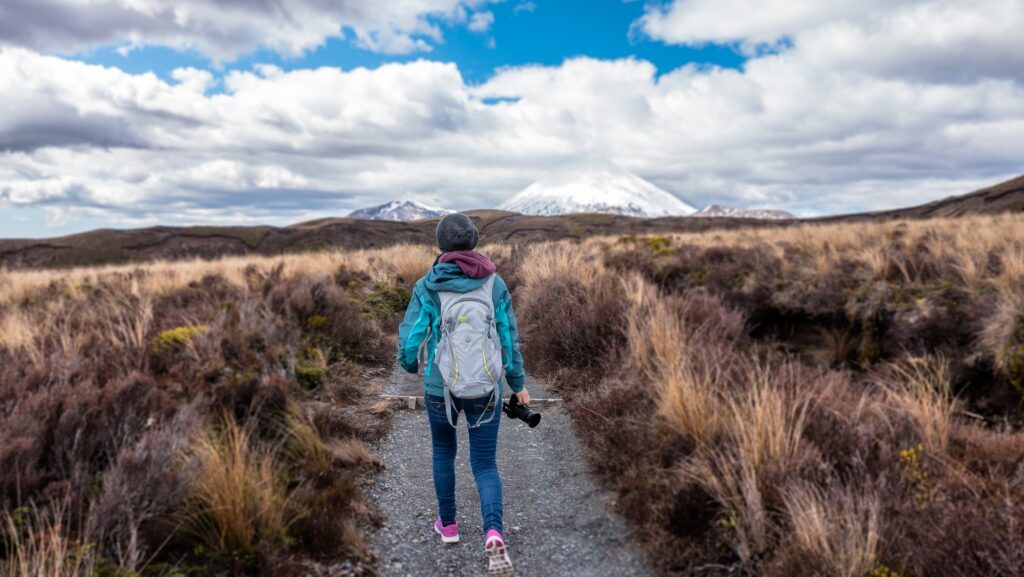
A useful tip if you are out for a walk: carry a rucksack on your back with some weight in it – enough that you can comfortably carry. This will gently put some safe load on your spine and legs, which will in turn prompt the bone-strengthening processes to kick in.
Weight-bearing exercise – whether with hand weights, or resistance bands, or machines at the gym. These days some gyms have equipment where you use your own body weight as the resistance – which look quite fun 😊
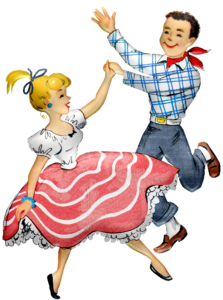
Partner exercise – such as dancing, whenever that is allowed again ☹; whether jive, tango or a good old barn dance. Nothing quite like it for the joy of movement, and working with the momentum of your dancing partner. Another Covid Casualty . . .
Also: S-T-R-E-T-C-H to keep your spine as supple as possible 😊 – gentle twisting exercises are particularly useful.
3 – Diet
Clearly calcium is important – yet that doesn’t necessarily mean lots of dairy! If this is part of your diet, enjoy it in moderation.
Other good sources of calcium:
– Fish with bones eg tinned fish such as salmon, pilchards, sardines, anchovies.
And for those of you going a more plant-based route:
– Green leafy vegetables
– healthy fats such as extra virgin olive oil, and avocados
– almonds, flax chia and sesame seeds [and tahini, that wondrous ground sesame paste]
– soy products and beans and lentils
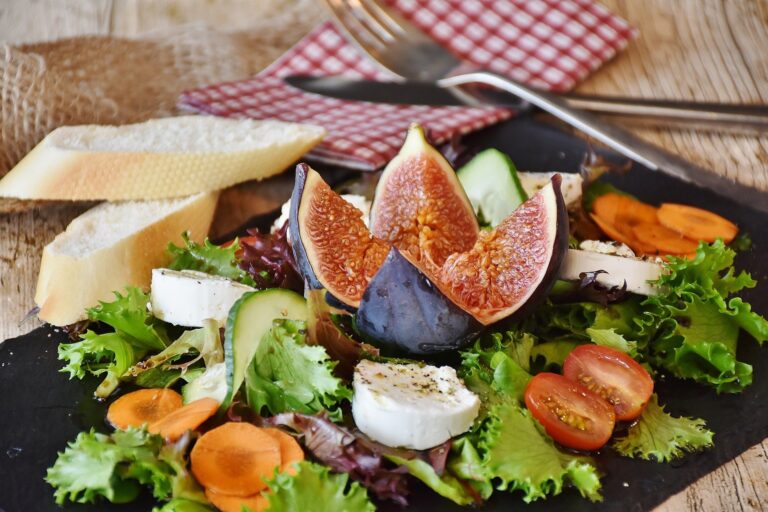
– figs – mmm, a fig and Roquefort salad will hit the spot for me!
Note: If you cook your own beans and pulses rather than use tinned – make sure you soak them for at least 24 hour, changing the water a couple of times. This applies to raw nuts as well such as almonds or cashews. Doing this starts the sprouting process so that they are less carb heavy.
And importantly, foods to avoid or limit:
Meat and Caffeine, and Sugar – tho blackstrap molasses in moderation is a good source of minerals and trace elements.
Also more than 14 units of alcohol [liquid sugar] a week are definitely not good news for your bones – and aim to have some days without any alcohol at all!
An important concept for calcium levels in the body is the acid-alkaline balance in the body. Remember acid rain, and the erosion it caused on limestone buildings? There is some research suggesting that the same applies to our bones. Too much protein, caffeine, sugar and alcohol can all push our body to become more acidic, which affects our immune system, our hormones and our stress response.
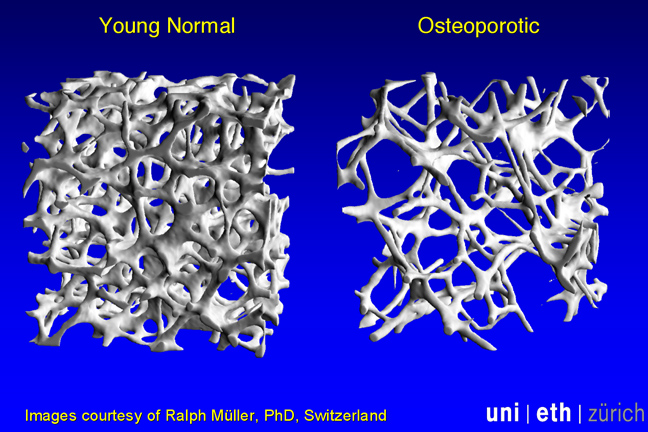
For the article where this image came from, which also has the numbers to look out for, here is the link – https://buff.ly/3dJzPZL.
And Miss J? She lived well into her 90s, and found that gentle osteopathic loosening up of her joints kept her going, and was really helpful for her breathing and for her posture.
😊 It was a real pleasure and privilege to have treated her 😊
Happy World Osteoporosis Day!